
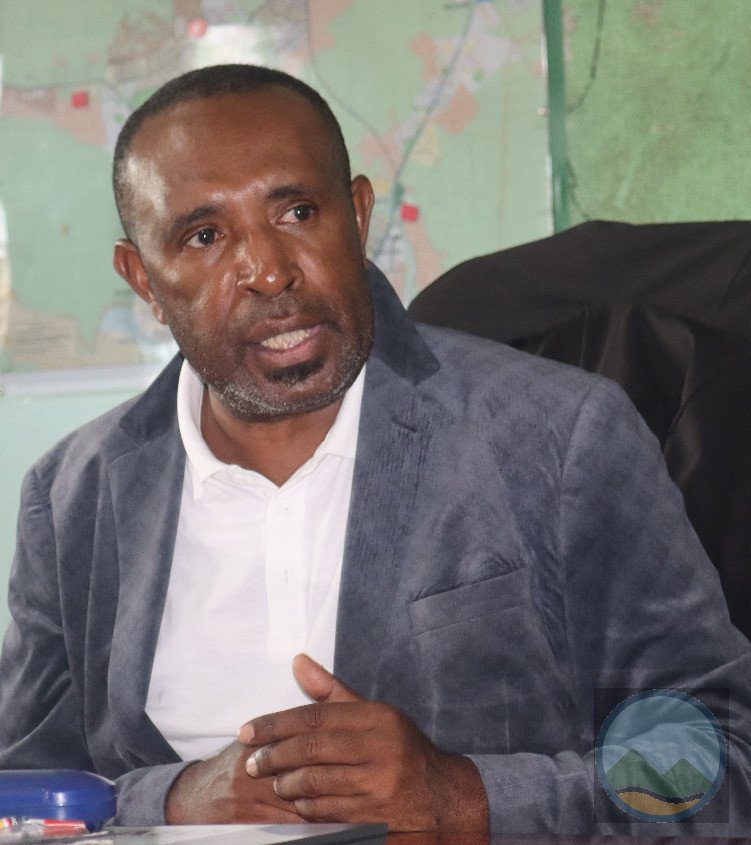
Wau Waria MP and Permanent Parliamentary Committee on Communications Chairman, Marsh Narewec calls for urgent action to replace outdated Media Laws and protect Press Freedom in PNG.
Papua New Guinea could soon replace one of its oldest media laws, as a parliamentary inquiry calls for the outdated Printers and Newspapers Act of 1956/1959 to be scrapped and replaced with a modern Freedom of Press Act.
The recommendation is part of wider reforms aimed at strengthening journalism, improving public access to information and protecting media independence in a fast-changing digital environment.
Chairman of the inquiry, Marsh Narewec, said the current law no longer reflects how media operates today.
“We are dealing with a completely different media landscape now,” he said. “The law must catch up with reality and protect both press freedom and the public interest.”
The proposed Freedom of Press Act would replace the decades-old legislation with a framework designed for modern journalism — including online, multimedia and social media platforms.
It is also expected to strengthen protections for journalists, support editorial independence, and recognise the Media Council of PNG as a self-regulatory body.
The push comes as the government rolls out broader digital reforms, including a national social media policy approved this year and new systems such as digital ID and Sevis Pass, aimed at improving online governance and accountability.
But while those changes focus on regulation and safety, the inquiry warns that press freedom must be protected at the same time.The proposed law would also introduce new transparency measures across government, making it easier for the public and media to access information and hold authorities accountable.
Alongside this, the inquiry is calling for the creation of a Media Development Trust Fund to support training, rural reporting and investigative journalism — areas often underfunded but critical to public interest reporting.
Narewec said the goal is to build a stronger, more independent media sector that can serve all Papua New Guineans.
“This is about making sure journalists can do their work properly and safely, and that people have access to information they can trust,” he said.
The reforms go further.The inquiry is also recommending a new Access to Information Act to give full legal effect to the public’s right to access government information.
In addition, changes to the National ICT Act are being proposed to clearly separate technical regulation from media content.
This move is aimed at preventing censorship and protecting editorial independence.
The amendments would also help police respond faster to cybercrime, including online harassment and threats targeting journalists.
If implemented, the reforms are expected to improve transparency, strengthen public trust and give media organisations clearer legal protection.
But the process is still at an early stage.
Narewec said that the proposed laws will require wide consultation with media organisations, civil society and government agencies before being drafted and presented to Parliament.
He said the success of the reforms will depend on action, not just recommendations.
The committee has done its part by conducting the inquiry and got the recommendations adopted by the Parliament.
Now is the time for implementation of these recommendations.
Narewec said agencies task to implement these recommendations must take action now.